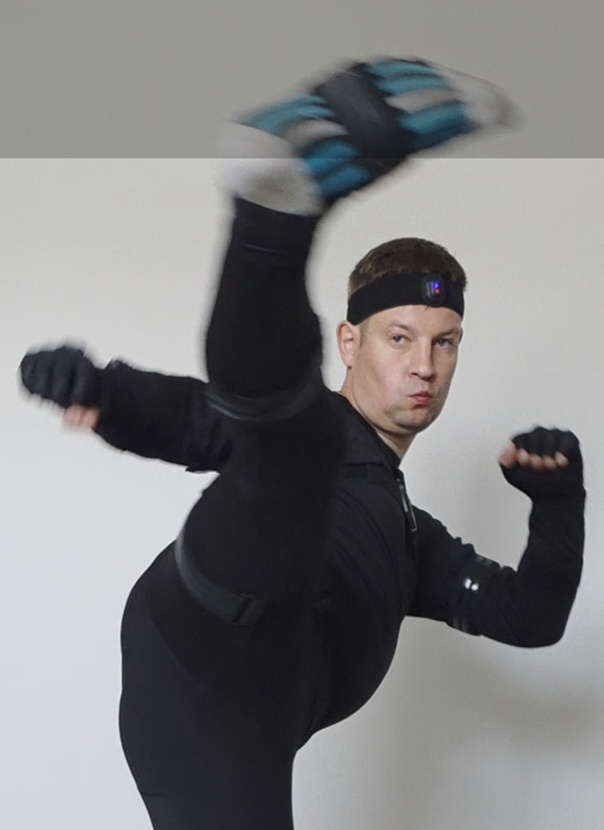
Salutogenesis asks what keeps people oriented under load. In Sustainability (2023) we surveyed 121 Taekwon-Do athletes (69 men, 53 women) with the Life Orientation Questionnaire (sense of coherence), Pain Strategies Questionnaire and Health Behavior Inventory.
Numbers worth keeping
Sense-of-coherence scores were higher in men (36.83 ± 12.45) than women (33.17 ± 10.60). Diverting attention from pain correlated strongly with reinterpreting pain (r = 0.75) and moderately with increased behavioural activity (r = 0.46). Constructive mobilisation under pressure aligned with resourcefulness (r = 0.44), comprehensibility (0.39) and meaningfulness (0.46). Sex differentiated constructive mobilisation under stress. Women’s global healthy-behaviour index sat higher than men’s. Catastrophizing correlated negatively with all three SOC elements and with constructive mobilisation.
Coaching without psychobabble
If your dojang culture rewards only grit narratives, you may be training catastrophizing by accident. Pain reinterpretation and attention strategies are trainable skills — measurable, not mystical. SOC is not a belt rank; it is a map of how athletes make training demands comprehensible, manageable and meaningful.
Limits
Cross-sectional, self-report, one martial art. Useful for programme design and athlete-care conversations; not a diagnostic label.
Multiple regression and ANOVA checked model fit; Pearson coefficients mapped co-dependencies at p < 0.05. The Pain Strategies Questionnaire sitting beside SOC is not accidental: how athletes talk to themselves about pain is part of salutogenic orientation under training load.
Women’s higher global healthy-behaviour index beside slightly lower SOC scores is a reminder not to collapse “coherence” into “clean living”. They are related maps, not twins. Catastrophizing’s negative links across SOC elements give coaches a concrete target for language in the dojang — without amateur diagnosis.
Sustainability framing matters: athlete health behaviour is environmental and cultural, not only private virtue. Club norms that mock recovery or nutrition undercut SOC work faster than any questionnaire can fix.
Multiple regression and ANOVA checked model fit; Pearson coefficients mapped co-dependencies at p < 0.05. The Pain Strategies Questionnaire sitting beside SOC is not accidental: how athletes talk to themselves about pain is part of salutogenic orientation under training load.
Women’s higher global healthy-behaviour index beside slightly lower SOC scores is a reminder not to collapse “coherence” into “clean living”. They are related maps, not twins. Catastrophizing’s negative links across SOC elements give coaches a concrete target for language in the dojang — without amateur diagnosis.
Sustainability framing matters: athlete health behaviour is environmental and cultural, not only private virtue. Club norms that mock recovery or nutrition undercut SOC work faster than any questionnaire can fix.
Where this sits in the lab
Biokineticum’s public notes exist so practitioners can reach the DOI without drowning in jargon — and so athletes, teachers and clinicians see that combat-sport science also publishes on prisons, faith, fair play, sauna physiology and disability policy. Soft topics still deserve hard methods: sample sizes, instruments, effect directions and explicit limits.
If you teach, treat or coach from these findings, copy the reference list into your syllabus, open the full text, and write down what you will measure next week. That is the only CTA that always fits.
Reading notes
Psychosocial and public-health papers describe associations in defined samples — not moral verdicts about individuals. We keep the language descriptive, avoid stigma, and point you to the DOI for methods and limits.
If the topic touches your clinic, classroom or programme design, treat this post as a map to the paper, not a substitute for it.
References
- Ortenburger D, Mosler D, Cholewa J, Wąsik J. Relationship of Sense of Coherence to Healthy Behavior in Taekwon-Do Athletes. Sustainability. 2023. 15(3):2213. doi:10.3390/su15032213
Measurement-led biomechanics, health psychology and clinical tools at Biokineticum.