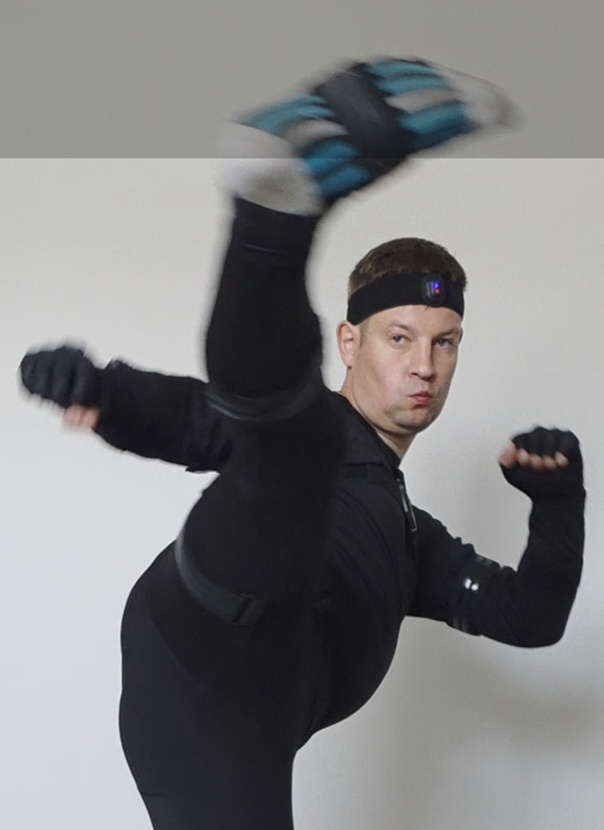
This article is deeply rooted in an analysis published in 2018 during the international conference 'Society. Integration. Education.' Martial arts are universally associated simply with ferocious rivalry and the straightforward manifestation of sheer force. However, we resolved to thoroughly investigate whether appropriately customized rules of Para Taekwondo could potentially operate as a unique mode of movement therapy for individuals suffering from intellectual disabilities, actively assisting them in managing so-called challenging behaviors.
Why Para Taekwondo?
Para Taekwondo naturally diverges into demonstration events (poomsae) and sport sparring competition (kyorugi). We meticulously juxtaposed the stringent rules prevalent on the combat mat alongside strategies broadly utilized in classic behavioral therapy. Astonishingly, it clearly transpires that the sport innately imposes rigorous constraints which organically teach profound self-control.
Key Therapeutic Mechanisms
- Restricted Target Zone: In Para Taekwondo sparring, there exists a strict, uncompromising prohibition regarding absolutely any strike to the head. This heavily enforced limitation of the attack zone practically coaches competitors to reflexively inhibit their impulses and subconsciously restrain aggressive behavior outbreaks.
- Crystal Clear Rules and Consequences: The sport boasts a rapid, merciless system of immediate penalties for violating regulations (e.g., executing uncontrolled or illegal attacks). This system reliably functions exactly modeled upon standard interventions found in behavioral therapy—it vigorously teaches individuals to actively anticipate the impending repercussions of their physical actions.
Takeaways for Education and Therapy
The rigid, unbending frameworks of martial sports can deliver enormous, unexpected benefits when practically applied within therapy meant for individuals grappling with specialized educational needs. Systematically limiting permissible zones within a meticulously safe training ecosystem flawlessly cultivates a psychological mechanism that subconsciously transfers these restrictions directly into mundane, everyday life. This distinctly bolsters social adaptation capabilities and successfully aids patients in managing and dissipating sudden outbursts of raw anger.
Mosler D. (2018). Application of Taekwondo Paralympic rules for sparring competition in terms of special needs physical education for reduction of challenging behaviour. SOCIETY. INTEGRATION. EDUCATION. Proceedings of the International Scientific Conference. Volume III, 117-126.